Riveting and rivet types
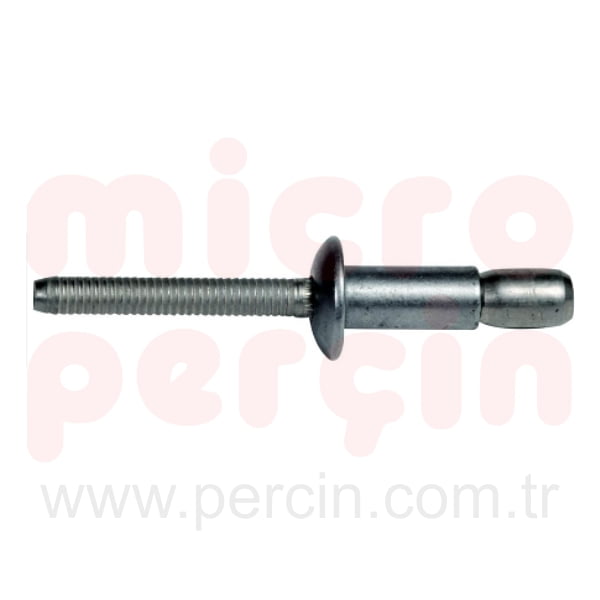
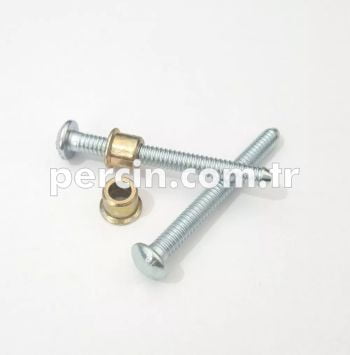
The rivets are a connection element that does not require the gear to connect two or more ingredients together, used to unite, and not to be threaded in contrast to the screw. These rivets, also called blind rivets, do not need to reach the back of the merged material, unlike others.
What are the types of riveting and rivets?
There are various types of rivets in different properties for all kinds of fields and materials. Click for Rivet Product page
What are the rivets by usage areas
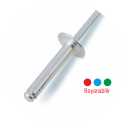
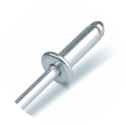
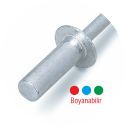
Standard; It is usually used for metals and is the most preferred type of rivet consisting of aluminum body and steel nail parts.
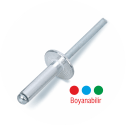
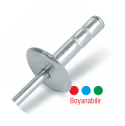
Wide-minded; It is the preferred rivet type in thin and fragile areas because it is wider than the standard perçin.
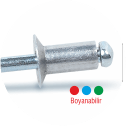
Countersunk head; According to the standard wig, it is named after the Countersunk flange part.
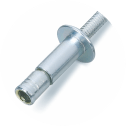
The back is closed; It is a type of pop rivet that is produced to prevent air or gas leaks in the rivet part.
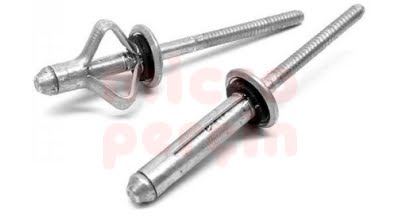
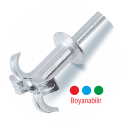
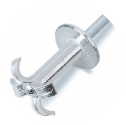
Octopus Rivet; This pop rivet type, also called Spider Rivet, provides a stronger grip by expanding the riveting phase.
Large-minded octopus; It is used in the process of rivet of materials that are fragile in plastic style.
Stainless steel rivet; The body is a type of rivet which is stainless steel as stated in the name. It is used on surfaces with the possibility of rust formation over time.
 Aluminum; This rivet type is also named after the substance of the body, such as the stainless rivet. It is preferable to be cheaper as it is available in the same environments as stainless steel.
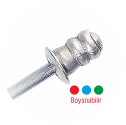
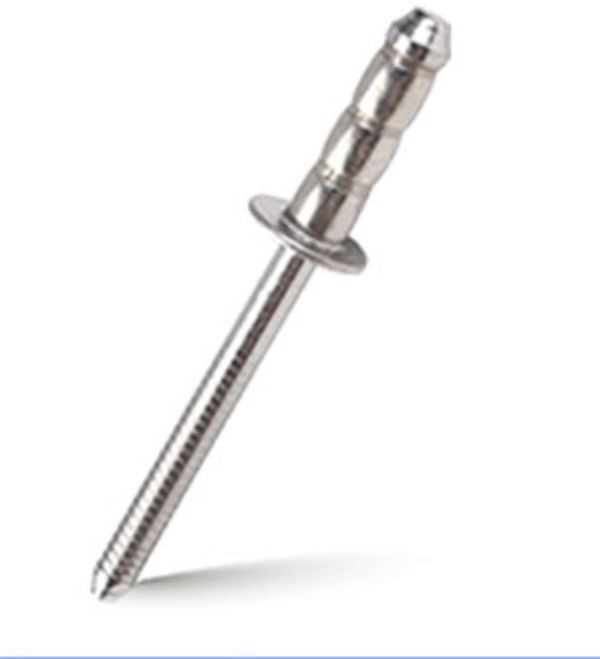
Multigrip Rivet; More robust riveting is preferred thanks to the lines in the body of the desired areas.
Wide-head Multigrip rivet; It is a type of rivet with a wider body than the Multigrip perçine.
Nut rivets; Nut rivets made of steel are used in very thin and delicate materials. For example, it can be used with the desired connection element on the Montelenek on thin-hair materials or thin plastic surfaces.