What is rivet?
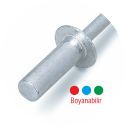
What is rivet? : Rivet is a connection element used to combine two or more ingredients. Unlike the screw, the parts to be assembled do not have to be teeth; So very thin materials can even be combined using rivets. The advantage of bolt and nut is that you can complete the defragmentation process without reaching the back side of the materials to be merged; Therefore, it is often referred to as "blind rivets".
Boiler eridum with coarse mistletoe
In the book Dede Korkut, the preceding sentence is the first occurrence of the word rivet in history.
1. Fence made of Bush, 2. It is used in the meaning of "wedge the end of the cross. The Persian part (پرچين) has passed our language.
Rivet Types
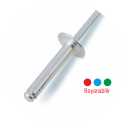
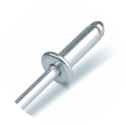
Standard POP Rivet: Custom alloy aluminum body and steel nails
They can be used to combine almost any material, mostly metallic surfaces, and are the most commonly used rivets.
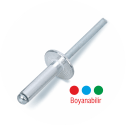
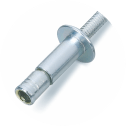
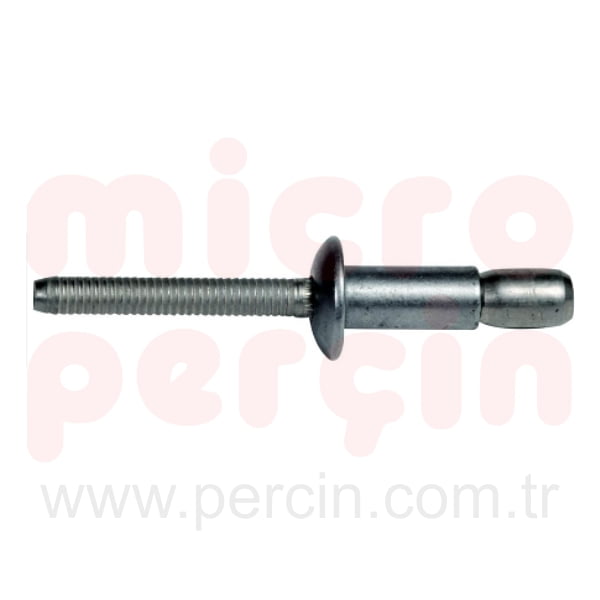
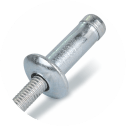
Wide-head POP Rivet: Special alloy aluminum housing and steel nails
Thanks to a wider flange compared to the standard pop perchine, the front percent of the materials to be combined is a fragile material, such as plastic, which provides a more robust grip, and the rivet head is embedded in the assembled material or Prevents the rivets from getting rid of.
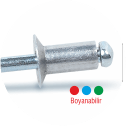
Countersunk Pop Rivet: Custom alloy aluminum housing and steel nails
The only difference from the standard pop rivets is that the flange part of the rivet body is shaped like a countersunk. In this way, a surface with a counterbore hole is opened to the surface to be riveted, and after riveting is obtained without protruding surfaces.
Closed back Pop Rivet: Custom alloy aluminum housing and steel nails
It is used to minimize fluid and gas passage after riveting process.
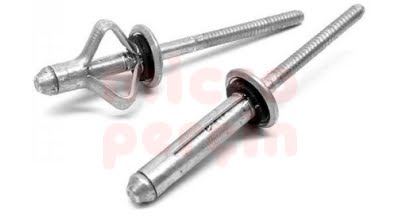
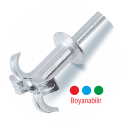
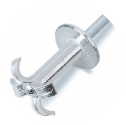
Octopus Rivet (spider rivet): Custom alloy aluminum body and steel nails
The standard pop Rivet body section expands and shortens during riveting process while providing a merge; The body of the Octopus Perman, thanks to its special nails, is divided into four "+" shape. In this way, the rear percentage of the materials to be combined is a fragile material, such as plastic, provides a more robust grip and prevents the rivet body from being embedded in the assembled material or the material to be rid of rivets.
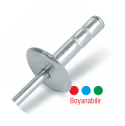
Wide-head Octopus Rivet: Special alloy aluminum body and steel nails
If the materials to be combined are fragile (like plastics), it is recommended.
The standard pop Rivet body section expands and shortens during riveting process while providing a merge; The body of the Octopus Perman, thanks to its special nails, is divided into four "+" shape. In this way, the rear percentage of the materials to be combined is a fragile material, such as plastic, provides a more robust grip and prevents the rivet body from being embedded in the assembled material or the material to be rid of rivets. Thanks to the wide flange, the front percentage of the materials to be combined is a fragile material, such as plastic, which provides a more robust grip and prevents the rivet head from being embedded in the assembled material or the material from rivet.
Stainless Steel rivet: Stainless steel body and stainless steel nails
It is used if no rust formation is requested over time after riveting process.
Aluminum/Aluminum Rivet: Custom alloy aluminum housing and custom alloy aluminum nails
It is used if no rust formation is requested over time after riveting process. It provides a more economical but weaker bonding than stainless steel perchine.
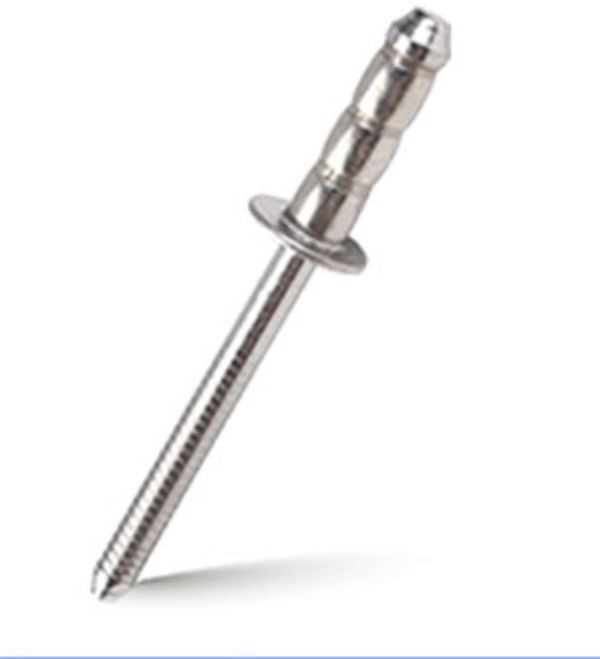
Multigrip Rivet: Custom alloy aluminum body and steel nails
The rivet body, manufactured from a more potent material than the standard pop wig, provides a stronger riveting process thanks to the lines in the rivet body.
Wide-head Multigrip Rivet: Custom alloy aluminum housing and steel nails
The rivet body, manufactured from a more potent material than the standard pop wig, provides a stronger riveting process thanks to the lines in the rivet body. In addition, thanks to the large flanged housing, the material from the rivets to the front percentage is kept stronger.
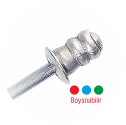
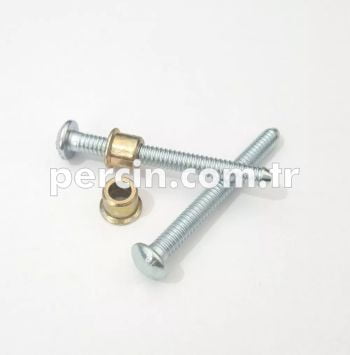
Nut Rivet: Steel
The bolt tooth is applied to materials that are too thin to be opened, allowing the bolts to be applied even to the finest surfaces. Once you have applied a nut rivet to a thin SAAC material, you can assemble the desired material with a bolt.

What is rivet, where is used, what is the nut rivet, what is blind rivet, what is pop rivet